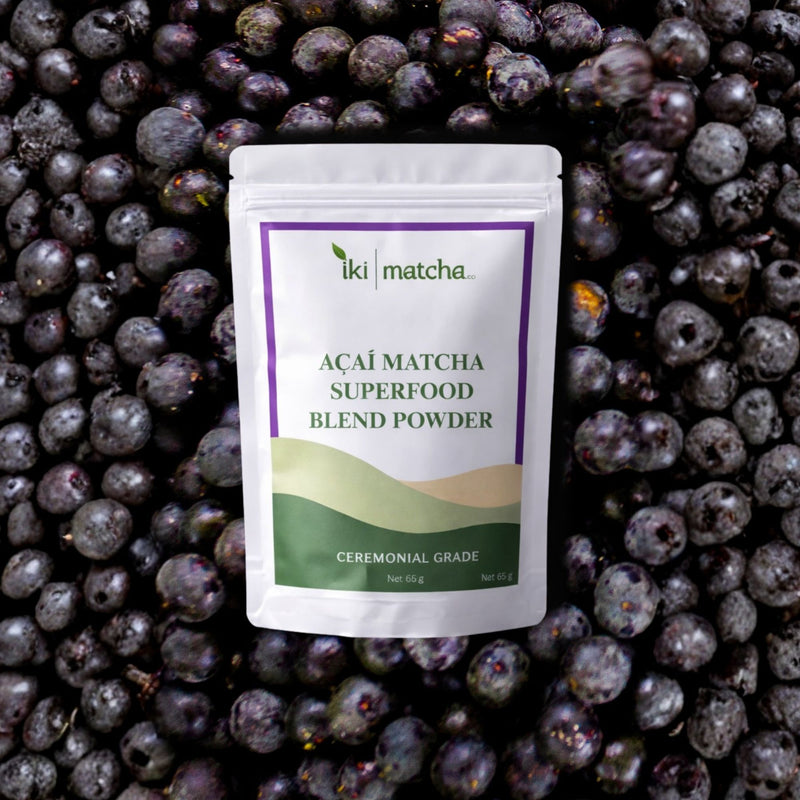
Matcha has earned its place in Australian cafés and kitchens, but beyond being a beautiful green drink, there's genuine science behind why it's particularly worth knowing about for women. Because matcha is whole ground green tea leaf, meaning you consume the entire leaf rather than steeping and discarding it, it delivers a more concentrated dose of the compounds researchers find interesting, especially the catechin EGCG and the amino acid L-theanine.
At IkiMatcha, we like to be straight about what the evidence does and doesn't show. So here's an honest look at the benefits most relevant to women's health, what the research actually says, and how to enjoy matcha sensibly. A quick note up front: much of the strongest research is on green tea broadly (matcha is a concentrated form of it), and some findings come from early-stage lab or population studies rather than definitive clinical trials. We've flagged that throughout.
1. A Powerful Source of Antioxidants
Matcha is rich in catechins, a group of plant antioxidants, with EGCG being the most studied. These compounds help the body manage oxidative stress, the cellular "wear and tear" linked to ageing and a range of chronic conditions. Because matcha is concentrated whole-leaf tea, a single serving delivers a notably higher catechin load than a standard cup of steeped green tea. For women looking to add more antioxidant-rich foods to their day without extra sugar or calories, matcha is an easy, low-effort win.
2. Support for Metabolism and Healthy Weight
This is one of the better-evidenced areas. Green tea has been shown to support healthy glucose metabolism and to gently increase fat oxidation and energy expenditure. One area especially relevant to women: a 60-day clinical trial in overweight and postmenopausal women found that green tea extract supplementation was associated with reduced body fat percentage, smaller waist circumference, improved insulin markers, and lower inflammation.
It's worth being realistic here matcha isn't a weight-loss shortcut, and the effects are moderate. But as a swap for sugary drinks or a second coffee, it's a genuinely supportive choice for metabolic health.
3. Bone Health, Especially Around Menopause
Bone density is a major women's health issue because the drop in oestrogen around menopause accelerates bone loss and raises osteoporosis risk. Here the research is encouraging: a meta-analysis of 17 studies found tea drinking was associated with protection against osteoporosis and fractures, and studies in postmenopausal women have linked regular green tea intake to higher bone mineral density.
One important nuance: some research suggests the bone benefit is strongest for women who were already regular tea drinkers before menopause, rather than those who start afterwards. In other words, if you're going to build a matcha habit for bone health, earlier is better another good reason not to wait.
4. Heart Health
Cardiovascular disease is one of the leading causes of death in women, yet it's often under-discussed. Green tea has a reassuring body of evidence here: a systematic review found green tea extract significantly lowered total cholesterol, LDL ("bad") cholesterol, fasting blood sugar, and diastolic blood pressure, while nudging up HDL ("good") cholesterol. Regular consumption has also been associated with a reduced risk of stroke. For women thinking about long-term heart health, matcha is a small daily habit that fits neatly into a heart-friendly lifestyle.
5. Calm, Steady Energy (Without the Jitters)
Matcha's standout feature for busy lives is the pairing of caffeine with L-theanine. L-theanine slows caffeine's absorption and promotes a state often described as "calm focus" alert but not wired. For women juggling demanding schedules, this can mean steadier energy and concentration through the day, with less of the spike-and-crash you get from coffee. L-theanine is also linked to reduced stress and a sense of relaxation, which is no small thing.
If you'd like the full breakdown of how matcha's caffeine compares to coffee, our How Much Caffeine Does Matcha Have? guide covers it in detail.
6. Skin Support
The same antioxidants that benefit the body may also support the skin. Research on green tea has pointed to anti-inflammatory effects and, in at least one study, measurable improvements in skin firmness and hydration among women who consumed it regularly. Matcha won't replace a good skincare routine or sun protection, but as part of an antioxidant-rich diet, it's a pleasant addition with skin-friendly credentials.
7. Promising Research on Hormone-Related Cancers
This is the area that generates the most headlines, so it deserves careful, honest framing. Laboratory and animal studies have shown that green tea catechins and EGCG can slow the growth of breast and ovarian cancer cells, including some hormone-dependent types. Population studies have found associations too; for example, one large Swedish study of over 60,000 women found those drinking at least two cups of tea daily had a meaningfully lower risk of ovarian cancer than non-drinkers.
The honest caveat: much of this is preclinical (cell and animal research) or observational, which shows association, not proof of cause. Researchers themselves stress that more human clinical trials are needed. Importantly, health experts consistently recommend drinking green tea or matcha rather than taking high-dose green tea extracts or supplements, which carry a small risk of liver issues at concentrated doses. Enjoy matcha as a drink; that's how it's been studied and how it's safest.
How Much Matcha Is Reasonable?
For most healthy women, one to two servings of matcha a day sits comfortably within safe caffeine limits (a serving is around 60–70mg of caffeine, versus a healthy-adult daily ceiling of about 400mg). A few practical tips:
-
Drink it between meals, not with them. The catechins and tannins in matcha can reduce absorption of non-heme (plant-based) iron. Since women are more prone to iron deficiency, particularly during menstruating years, it's wise to enjoy matcha an hour or two away from iron-rich meals.
-
Watch the afternoon cut-off if you're caffeine-sensitive to protect your sleep.
-
Choose quality, fresh matcha for the best flavour and catechin content. Our How to Buy Matcha in Australia guide walks through what to look for.
An Important Note on Pregnancy and Breastfeeding
If you're pregnant or breastfeeding, the picture changes. Caffeine intake is generally advised to stay under 200 mg per day during pregnancy, and the iron-absorption effect matters more when your body's needs are higher. Matcha isn't necessarily off-limits, but it should be approached carefully and in moderation. Please speak with your GP or midwife first.
The Bottom Line
For women, matcha offers a genuinely appealing combination: antioxidants, metabolic and heart support, potential bone benefits around menopause, calm energy, and some promising (if still-developing) research on hormone-related cancers. It's not a miracle cure, and the honest reading of the science asks for realistic expectations. But as a daily habit that's enjoyable, low in calories, and backed by a solid body of research, matcha is one of the easier healthy choices to love.
If you're ready to start or upgrade your matcha ritual, browse our range at ikimatcha.com.au.
A note from us: This article is general information only and is not medical advice. Individual health needs vary, and factors like existing conditions, medications, pregnancy, and iron status all matter. Always speak with your GP or a qualified health professional before making significant changes to your diet, especially if you're pregnant, breastfeeding, managing a health condition, or considering matcha for a specific health reason. When in doubt, ask your physician first.