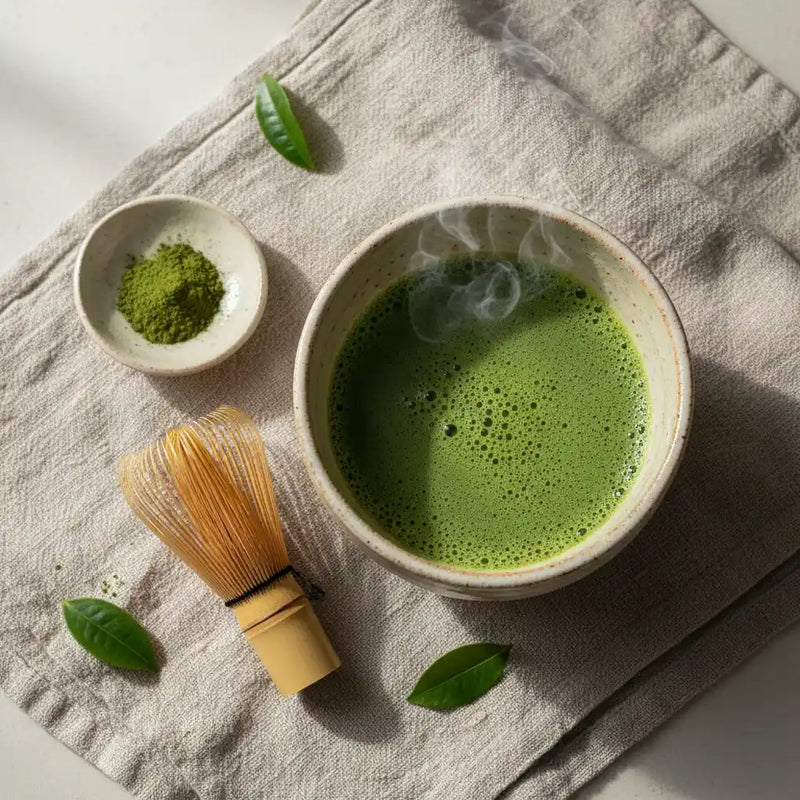


Quick answer: 1–2 servings of matcha a day (2–4 g of powder, roughly ½–1 teaspoon per serving) is a safe, beneficial amount for most healthy adults. Each 2g serving contains about 60–70mg of caffeine – half a typical espresso. Food Standards Australia New Zealand suggests healthy adults keep total caffeine under about 400mg a day, which means you'd need five to six full serves of matcha (11–12g of powder) before matcha alone pushed you past that line.
In practice, "too much matcha" for most people means more than 3–4 serves daily, or any amount late enough in the day to disturb sleep. Below is exactly how those limits change if you're pregnant, caffeine-sensitive, or drinking coffee as well — and what the research says about matcha dosage for weight loss.
What is matcha, and why is it so popular?
Matcha has quickly become one of the most popular wellness drinks in the world, and for good reason. This vibrant green tea powder, traditionally used in Japanese tea ceremonies, is known for its rich antioxidant content, calm energy boost, and potential health benefits ranging from improved focus to better metabolism. This makes matcha more potent, but it also raises an important question: how much matcha should you drink in a day?
While Japanese matcha tea is often praised as a healthier alternative to coffee, it still contains caffeine and powerful bioactive compounds. Drinking too little may mean you miss out on its benefits, while drinking too much could lead to side effects like jitters, digestive discomfort, or sleep disturbances. The ideal daily amount depends on factors such as your caffeine tolerance, lifestyle, health goals, and whether you are new to matcha or a regular drinker. In this blog, we’ll break down the recommended daily intake of matcha, explain how caffeine and antioxidants work in the body, discuss who should limit consumption, and help you find the right balance so you can enjoy matcha safely and effectively.
Understanding What’s in Matcha
Before deciding how much matcha to drink, it’s helpful to understand what makes it unique.
A single teaspoon (about 2 g) of high-quality matcha typically contains:
-
60–70 mg of caffeine
-
Catechins, especially EGCG, powerful antioxidants
-
Chlorophyll, which gives matcha its green colour and detox appeal
Because you consume the whole leaf, matcha delivers more concentrated nutrients than regular green tea.
General Recommendation: How Much Matcha Per Day?
For most healthy adults, the ideal daily intake is 1 to 2 teaspoons of matcha, which equals:
-
1–2 cups of matcha tea per day
-
Approximately 60–140 mg of caffeine
This amount allows you to enjoy matcha’s benefits—steady energy, improved concentration, and antioxidant support—without overwhelming your system.
Some experienced matcha drinkers may comfortably consume up to 3 teaspoons per day, but this is usually the upper limit and should be spread throughout the day.
| Your situation | Suggested daily matcha limit | Why |
|---|---|---|
| Healthy adult, no other caffeine | Up to 3–4 serves (6–8g) | Stays well under the ~400mg FSANZ caffeine guideline |
| Also drinking 1–2 coffees a day | 1–2 serves (2–4g) | Combined caffeine adds up quickly |
| Pregnant or breastfeeding | Up to 1–2 serves — confirm with your GP | General guidance caps caffeine near 200mg/day |
| Caffeine-sensitive | 1 serve, before midday | Even L-theanine-buffered caffeine can affect sleep |
| Teenagers | 0–1 serve | Lower body-weight-adjusted caffeine tolerance |
Single Origin · Kagoshima, Japan
Pure Kagoshima Ceremonial Matcha
First harvest · Stone-ground · Less than $1 per cup
Shop Now — $49.00 AUDMatcha vs Coffee: Why Less Feels Like More
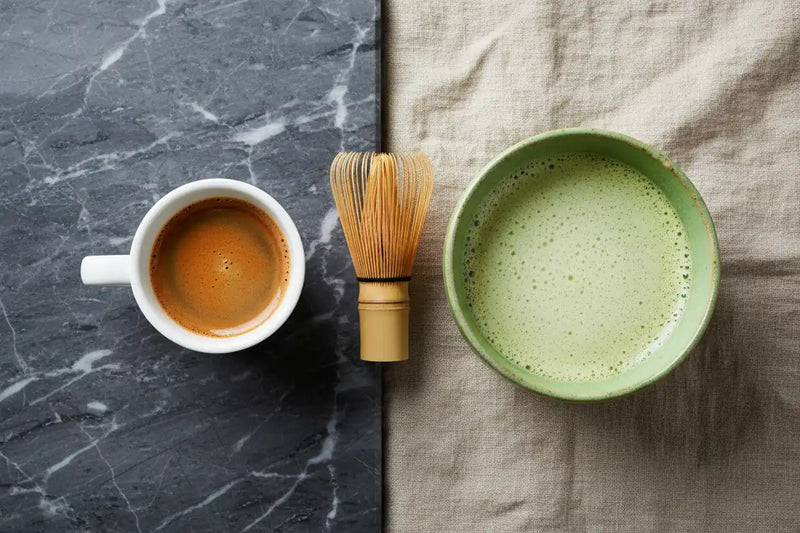
One reason people overconsume Japanese matcha tea is assuming it works like coffee. While coffee delivers a fast caffeine spike, matcha offers a slow, sustained release of energy due to the combination of caffeine and L-theanine.
Benefits of matcha’s energy profile:
-
No sudden energy crash
-
Reduced jitters and anxiety
-
Better mental clarity and focus
-
Longer-lasting alertness
Because of this, many people find that one cup of matcha feels just as effective as two cups of coffee, making moderation easier.
Best Time of Day to Drink Matcha
Timing matters when it comes to matcha consumption.
Morning or late morning
This is the best time to drink matcha. It provides gentle energy and focus without overwhelming your nervous system.
Early afternoon
A cup of matcha tea powder can replace your post-lunch coffee slump without affecting sleep for most people.
Avoid late evenings.
Due to its caffeine content, matcha should ideally be avoided 6–8 hours before bedtime, especially if you are sensitive to caffeine.
How Much Matcha Is Too Much?
Drinking excessive matcha can lead to side effects, especially if consumed in large quantities daily.
Potential signs of overconsumption:
-
Restlessness or anxiety
-
Headaches
-
Digestive discomfort
-
Insomnia
-
Increased heart rate
Consuming more than 3–4 teaspoons per day may also increase your intake of tannins and catechins, which can interfere with iron absorption if consumed excessively, particularly on an empty stomach.
Matcha for Different Goals
For energy and focus
1 teaspoon in the morning is usually sufficient.
For weight management
1–2 teaspoons per day may help support metabolism and fat oxidation when combined with a balanced diet and exercise.
For meditation or mindfulness
A smaller serving of matcha health benefits aligns well with calming effects.
For athletes or high mental workload
Up to 2 teaspoons spread across the day can provide sustained performance support.
Single Origin · Kagoshima, Japan
Pure Kagoshima Ceremonial Matcha
First harvest · Stone-ground · Less than $1 per cup
Shop Now — $49.00 AUDWho Should Limit Matcha Intake?
Some people should be more mindful of how much matcha they consume.
You may need to limit intake if you:
-
Are sensitive to caffeine
-
Are you pregnant or breastfeeding
-
Have an iron deficiency
-
Experience anxiety or heart palpitations
-
Have digestive issues triggered by tannins
In these cases, ½ to 1 teaspoon per day or switching to lower-caffeine matcha blends may be more suitable.
Quality Matters More Than Quantity
Not all matcha is created equal. Lower-quality matcha may contain more bitterness, fewer nutrients, and higher contaminants. With high-quality ceremonial or premium-grade matcha, you often need less to feel the effects.
Signs of quality matcha:
-
Bright green color
-
Smooth, slightly sweet taste
-
Finely milled powder
-
Clean, fresh aroma
Choosing quality over quantity ensures you get the benefits without needing to overconsume.
Can You Drink Matcha Every Day?
Yes—daily matcha consumption is generally safe when enjoyed in moderation. In fact, many people in Japan drink matcha regularly as part of a healthy lifestyle. If you’re new to matcha, start with ½ to 1 teaspoon per day and gradually increase as you observe how your body responds.
End Thoughts
So, how much Japanese matcha tea should you drink in a day? For most people, 1 to 2 teaspoons daily is the sweet spot—enough to enjoy sustained energy, mental clarity, and antioxidant benefits without unwanted side effects. Matcha is powerful, and a little truly goes a long way. Paying attention to timing, quality, and your individual tolerance will help you make the most of this ancient green tea.
If you’re looking to experience premium-quality matcha that’s smooth, vibrant, and crafted for daily enjoyment, explore the thoughtfully sourced selection at Iki Matcha Co. High-quality matcha makes it easier to enjoy the right amount every day—naturally, mindfully, and deliciously.
How much matcha per day for weight loss?
There's no proven "fat-burning dose", but the studies suggesting a metabolic benefit generally involve 1–2 serves (2–4 g) daily, ideally 30–60 minutes before exercise. The active compound is EGCG, a catechin concentrated in matcha because you consume the whole leaf. Research has linked green tea catechins combined with exercise to a modest increase in fat oxidation — modest being the honest word. Drinking more than 2 serves doesn't multiply the effect, and matcha lattes loaded with sweeteners can cancel out the calorie math entirely. If weight management is your goal: 1–2 unsweetened servings a day, a consistent habit, paired with movement. That's what the evidence supports.