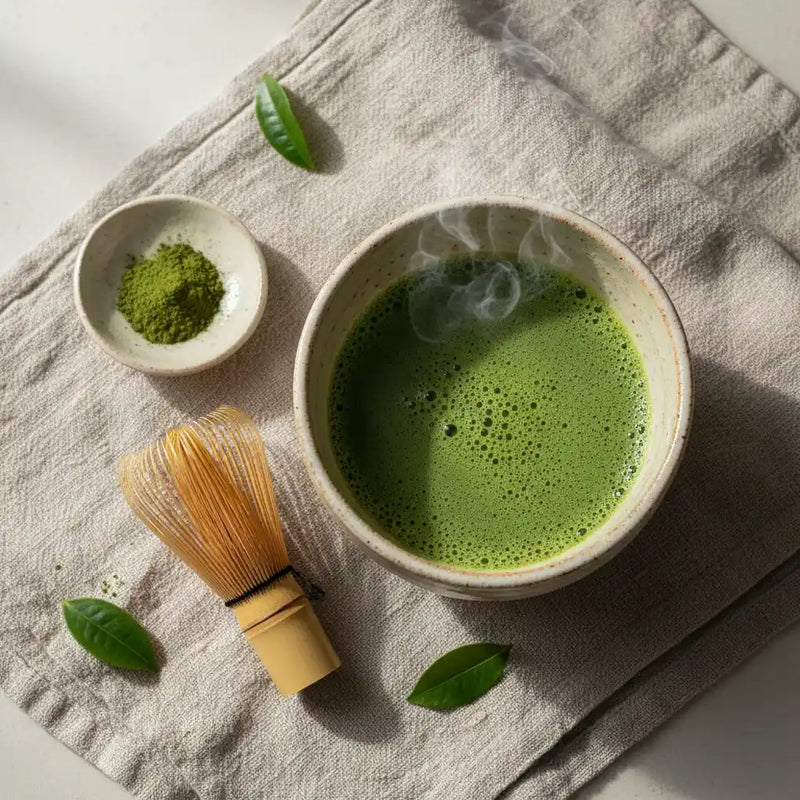


Matcha is finely ground Japanese green tea leaf, and how to store matcha properly comes down to one rule: keep it airtight, away from heat, light, moisture, and strong smells, and finish an opened tin within 4-6 weeks. Get those four things right and your matcha holds its colour, aroma, and smooth umami taste for as long as possible.
Quick answer: Keep matcha in an airtight, opaque tin away from heat, light, and moisture. A dark pantry works for most of the year; switch to the fridge during hot months, always in a sealed container. Use opened matcha within 1–2 months for the best flavour.
Key Facts: How to Store Matcha
- Matcha's huge surface area means it oxidises far faster than loose-leaf tea
- Airtight, opaque containers protect colour, aroma, and umami flavour
- Opened matcha tastes best within 1–2 months; unopened tins last 6–12 months
- Refrigeration helps in hot climates, but condensation from temperature swings causes damage
- Old matcha won't make you sick, it just loses colour, sweetness, and antioxidants
- Australian summers regularly push kitchens past 30°C, speeding up flavour loss
Why Proper Matcha Storage Matters
Matcha is whole tea leaves stone-ground into an ultra-fine powder, which gives it far more surface area than loose-leaf tea. That's great for whisking into a smooth bowl, but it also means more of the powder is exposed to air at once.
Oxygen, humidity, heat, and sunlight all speed up oxidation, the same reaction that browns a cut apple, just slower. Once it sets in, you'll notice a duller colour, a flatter aroma, and a bitterness that wasn't there in a fresh tin. The compounds behind matcha's umami sweetness break down first, so old matcha tastes harsh before it even looks that different.
The Four Enemies of Matcha
Four things damage matcha, and almost every storage mistake comes down to ignoring at least one of them.
- Oxygen — triggers oxidation, dulling colour and flavour
- Moisture — causes clumping and creates conditions for mould
- Heat — speeds up every reaction working against freshness
- Light — breaks down chlorophyll, the pigment behind matcha's green
Treat these four like a checklist before sealing the lid. A clear jar on a sunny windowsill fails on more than one, and the damage stacks.
Best Way to Store Matcha
The best way to store matcha doesn't need fancy equipment, just consistency:
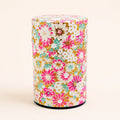
- Keep matcha in its original airtight tin, or transfer it to an airtight matcha canister.
- Reseal the lid immediately after every scoop, don't leave it open while you whisk.
- Store it in a cool, dark spot like a pantry cupboard, never beside the stove or kettle.
- Limit how often you open the container; fewer exposures means slower oxidation.
- Always use a dry spoon or bamboo scoop — any moisture introduces clumping risk.
A dedicated canister keeps portions sealed between scoops, which matters more than people expect once a tin is half empty and mostly air.
Should You Refrigerate Matcha?
Refrigeration helps some matcha and hurts other matcha, depending on whether the tin is sealed.
Unopened matcha: yes, the fridge slows oxidation, worth doing if your pantry sits near a hot kitchen or window.
Opened matcha: it depends. Refrigeration can extend freshness, but a half-used tin develops condensation moving between cold and warm air, and condensation, not cold itself, is what ruins matcha.
If you do refrigerate opened matcha:
- Keep it sealed in an airtight container at all times.
- Take it out and let it sit, still closed, until it reaches room temperature.
- Only open it once that warm-up step is done.
Skip that last step and you'll trap moisture inside the tin every time.
Expert tip: If you're somewhere the kitchen regularly tops 25°C — Queensland summers, a north-facing apartment — keeping opened matcha in an airtight container inside the fridge, with the warm-up step above, preserves colour and aroma noticeably better than pantry storage alone.
Can You Freeze Matcha?
Freezing works, but only for matcha you haven't opened yet.
Pros: at sub-zero temperatures oxidation almost stops, so an unopened tin can hold quality for up to 12 months.
Cons: freeze-thaw cycles add moisture each time the tin warms, and thawing an opened bag invites the same condensation problem, just worse.
Best practice: freeze unopened tins only. Once thawed, let the tin reach full room temperature before opening, then store it like any other opened matcha. Don't refreeze it afterwards.
How Long Does Matcha Last?
How long matcha lasts depends on whether it's sealed, and where you keep it.
| Matcha Type | Best Quality Window |
|---|---|
| Unopened (pantry) | 6–12 months |
| Opened | 1–2 months |
| Refrigerated (opened, sealed) | Up to 6 months |
| Frozen (unopened) | Up to 12 months |
Matcha has no hard expiry date, these windows mark peak flavour and colour, not when it's unsafe to drink.
Ceremonial-grade matcha is more delicate and oxidises faster than culinary matcha, which is hardier and built for lattes and baking.
How to Tell if Matcha Has Gone Bad
Your eyes, nose, and tongue will tell you before any calendar does. Compare what you're holding against these three signs:
| Sign | Fresh Matcha | Aged Matcha |
|---|---|---|
| Colour | Vibrant jade green | Yellow-green or brownish |
| Aroma | Sweet, grassy, vegetal | Stale, flat, or musty |
| Taste | Smooth, sweet umami | Bitter, dull, harsh |
If any of these show up, the matcha hasn't necessarily spoiled in a food-safety sense, it's just past its best, and a fresher tin will taste noticeably better.
Common Matcha Storage Mistakes
Most matcha problems trace back to one of these:
- Storing the tin above the kettle or stove, where rising heat slowly cooks the powder
- Leaving a foil pouch unsealed instead of resealing or transferring it
- Scooping with a damp spoon, which introduces moisture and clumping
- Using a clear glass jar that lets light reach the powder all day
- Buying more matcha than you'll use in a couple of months, so it sits opened and ageing
Storage Tips for Australian Homes
Australian kitchens make matcha storage harder than the average overseas guide accounts for. Summer heat regularly pushes indoor temperatures past 30°C, and humidity in Queensland and Northern NSW adds moisture to the mix — both work against matcha at once.
During cooler months, a dark pantry away from any appliance is fine. Once summer hits, move opened matcha into the fridge in a sealed container, with the room-temperature rest described above. In humid regions, treat the fridge as the default. We hear from customers in Cairns and Darwin about clumpy matcha far more than from anyone in Hobart, climate matters more than most guides admit.
Matcha Storage Myths vs Facts
A few persistent myths make matcha storage harder than it needs to be:
| Myth | Fact |
|---|---|
| Matcha never expires | Matcha gradually loses colour, aroma, and antioxidants over time |
| The fridge always ruins matcha | Condensation from temperature swings causes the damage, not cold itself |
| Any container works as well as another | Airtight, opaque containers outperform glass jars or folded pouches |
Good storage starts with good matcha
Our ceremonial matcha is stone-ground from first-harvest Kagoshima leaves and shipped in resealable, light-blocking packaging designed to slow oxidation from the moment it leaves Japan.
Shop Ceremonial MatchaThe Bottom Line
Storing matcha well isn't complicated: airtight, dark, cool, dry, used within a couple of months of opening. Get those right and a tin of good matcha tastes just as vivid on the last scoop as the first. Once sorted, here's how to make matcha the traditional way, or browse our matcha buying guide.