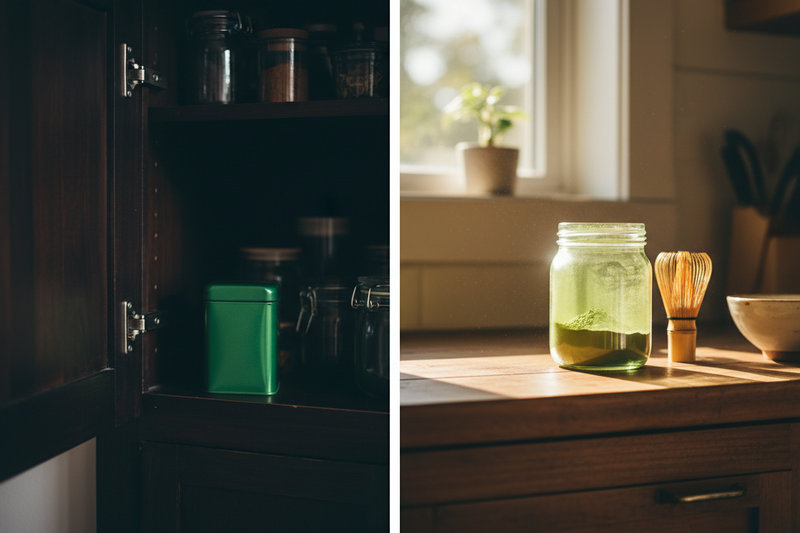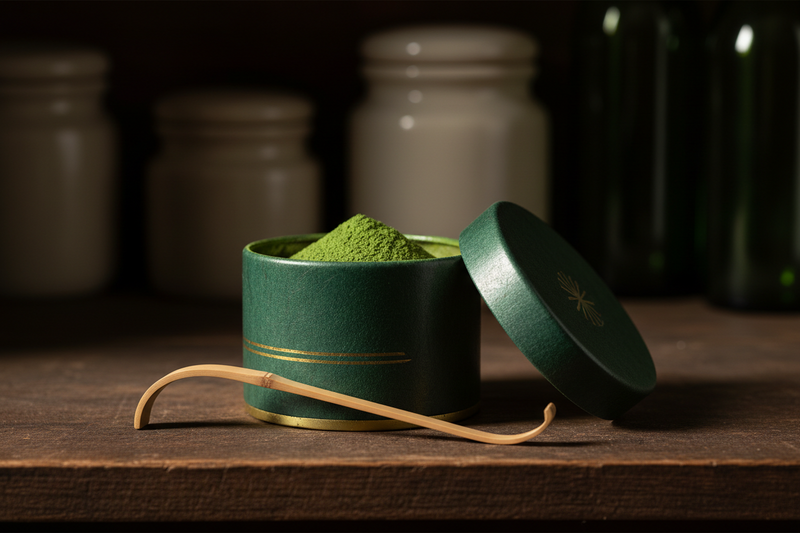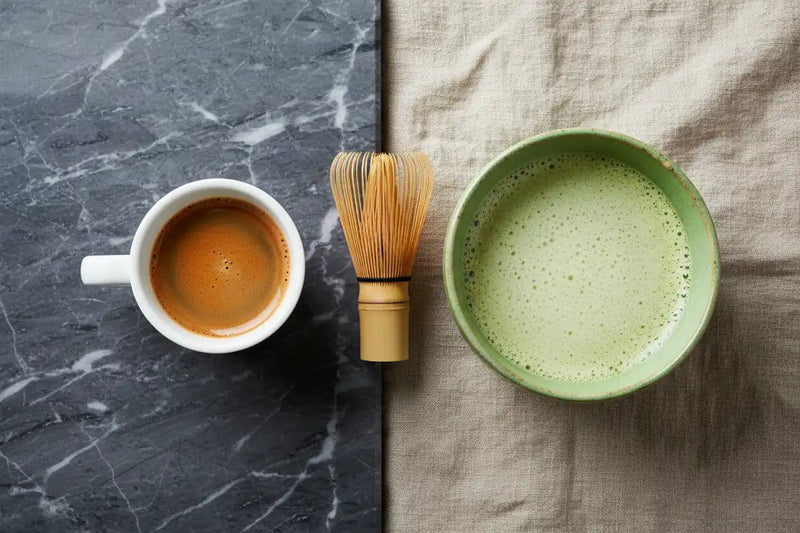




Matcha has rapidly gained popularity across Australia, embraced by health enthusiasts, professionals, fitness lovers, and wellness seekers alike. Unlike regular green tea, matcha is made from finely ground whole tea leaves, allowing you to consume the entire leaf and benefit from a concentrated dose of nutrients, antioxidants, and natural caffeine. However, one common question many Australians ask is, 'When is the best time to drink matcha green tea?'
While matcha can be enjoyed at any time of the day, its effects on energy levels, focus, digestion, and sleep can vary depending on when you consume it. Factors such as caffeine sensitivity, work schedules, climate, and lifestyle habits all play a role in determining the ideal time. In this blog, we’ll explore the best times to drink matcha, whether your goal is sustained energy, mental clarity, fitness support, or relaxation—helping you make the most of this powerful superfood.
Understanding Matcha’s Natural Benefits
Before deciding on timing, it’s important to understand what makes matcha unique. Matcha contains:
- Natural caffeine for alertness and energy
- L-theanine, an amino acid that promotes calm focus
- Catechins (EGCG), powerful antioxidants
- Chlorophyll, supporting detoxification
- Vitamins and minerals, including vitamin C and potassium
This combination creates a gentle, long-lasting energy boost without the jittery crash commonly associated with coffee, making timing especially important for optimal benefits. Read our full matcha health benefits guide here.
Morning: The Most Popular Time for Matcha
For many Australians, the morning is the best time to drink matcha green tea powder.
Why mornings work well:
- Provides a clean, sustained energy boost to start the day
- Enhances mental focus for work, study, or meetings
- Supports metabolism and fat oxidation
- Gentler on the nervous system than coffee
Drinking matcha in the morning aligns perfectly with Australia’s fast-paced urban lifestyle, whether you’re heading to the office, working remotely, or enjoying an early coastal walk. It’s best consumed after a light breakfast to avoid stomach sensitivity, especially for those new to matcha.
Mid-Morning: A Smart Coffee Alternative
If you’re trying to cut back on coffee, mid-morning (around 10–11 am) is an excellent time for Matcha Green Tea Powder Australia.
Benefits of mid-morning matcha:
- Prevents energy slumps after breakfast
- Improves concentration and productivity
- Reduces reliance on sugary snacks or extra coffee
Many Australian professionals prefer matcha during this time because it supports steady performance without overstimulation, ideal for long workdays and screen-heavy tasks.
Before Exercise: Boost Performance Naturally
Matcha is also a fantastic pre-workout drink, especially popular among fitness-conscious Australians.
Why matcha works before exercise:
- Enhances endurance and stamina
- Supports fat burning during workouts
- Improves mental focus and coordination
- Provides hydration with mild stimulation
Consume matcha 30–45 minutes before exercise, whether it’s a gym session, yoga, Pilates, or a coastal run. Its balanced caffeine content helps improve performance without increasing heart rate excessively.
Best Time to Drink Matcha Tea for Weight Loss
If weight loss is your goal, the best time to drink matcha tea for weight loss is 30-60 minutes before exercise. The studies on matcha and fat burning measured it around workouts, when the catechins and caffeine add most to fat use. A morning cup before a walk works too. Timing helps a little; total diet and movement matter far more. We cover the research honestly in Does Matcha Help With Weight Loss?.
Early Afternoon: Beat the Post-Lunch Slump
Many Australians experience fatigue after lunch, particularly during long workdays. Drinking matcha in the early afternoon (1–3 pm) can help.
Benefits include:
- Combats post-lunch drowsiness
- Maintains alertness without sugar spikes
- Supports digestion when consumed lightly
However, moderation is key. Stick to a smaller serving if you’re sensitive to caffeine, as consuming too much late in the day may interfere with sleep.
Late Afternoon: Use with Caution
While some people enjoy matcha in the late afternoon, this timing isn’t ideal for everyone.
Considerations:
- Caffeine may disrupt sleep for sensitive individuals
- Best avoided after 4 pm for most people
- Suitable only if you have a high caffeine tolerance
- If you still want matcha later in the day, opt for a lighter ceremonial or culinary-grade serving and avoid adding sweeteners that could further stimulate your system.
Evening: Generally Not Recommended
In Australia, where maintaining a healthy work-life balance and quality sleep is increasingly valued, matcha is not recommended in the evening.
Why avoid evening matcha:
- Caffeine can interfere with melatonin production
- May delay sleep onset
- Can reduce overall sleep quality
If you’re looking for a calming evening beverage, herbal teas or caffeine-free alternatives are better choices.
Best Time Based on Your Lifestyle
The ideal time to drink matcha green tea powder also depends on your personal routine:
- Busy professionals: Morning or mid-morning
- Fitness enthusiasts: Pre-workout or early afternoon
- Students: Morning study sessions or early afternoon focus
- Wellness-focused individuals: Morning mindfulness rituals
Australia’s diverse climate and active culture make matcha a versatile addition to daily routines—just tailor the timing to your needs.
Tips for Maximising Matcha Benefits
- Avoid drinking matcha on an empty stomach
- Use high-quality matcha powder
- Don’t exceed 1–2 servings per day
-
Pair with healthy fats (like oat or almond milk) for better absorption
Bottom Line
The best time to drink matcha largely depends on your lifestyle, caffeine tolerance, and wellness goals. For most people, mornings and mid-mornings offer the greatest benefit, providing clean energy, enhanced focus, and metabolic support. Early afternoons can also work well for combating fatigue, while late afternoons and evenings are best avoided.
To truly experience the benefits of matcha, quality matters just as much as timing. If you’re looking for ceremonial-grade matcha that aligns with authentic Japanese traditions and modern Australian wellness needs, explore iki Matcha Co. Elevate your daily routine with high-quality matcha and enjoy balanced energy, clarity, and calm, one cup at a time.