

The honest answer to what does matcha taste like: grassy, naturally sweet, and deeply savoury, what the Japanese call umami. When it's good quality and made properly, matcha taste is smooth and almost creamy, with very little bitterness. Most people who say matcha is bitter have only tried low-grade or old powder, or had it made with boiling water. That's not what matcha is supposed to taste like. If that's been your experience so far, this guide is for you.
📋 Key Facts: What Matcha Actually Tastes Like
- Quality ceremonial matcha has four main flavour notes: grassy, sweet, umami, and creamy ,bitterness is a sign of poor quality or wrong preparation
- The natural sweetness comes from L-theanine, an amino acid produced in high quantities by shade-grown leaves
- The umami depth is the same fifth-taste savoury quality found in miso, seaweed, and dashi, pronounced in first-flush ceremonial grade
- Bitterness in matcha almost always signals low grade, old powder, or water that's too hot (above 80°C)
- The flavour changes significantly depending on preparation: a ceremonial bowl is richest, a latte is milder, a smoothie is subtle
- Culinary grade matcha is intentionally more bitter, it's designed for cooking, not drinking straight
What Does Matcha Tea Taste Like? The Full Flavour Profile
Describing matcha flavour is easier once you know what's causing each note. Every characteristic in matcha has a specific origin, the growing conditions, the harvest timing, the processing. Here's what you're actually tasting, and why.
Grassy and Vegetal
The freshest, most immediate note in matcha is a green, grassy quality, similar to fresh-cut grass or steamed spinach, but gentler. This comes from the high chlorophyll content in shade-grown leaves. Because the plants are covered for 3–4 weeks before harvest, they produce more chlorophyll than sun-grown tea. That chlorophyll is part of what you taste in every sip. It's vivid, clean, and fresh, not harsh.
Natural Sweetness
Good matcha has a notable natural sweetness that has nothing to do with added sugar. The source is L-theanine, an amino acid that accumulates in shade-grown leaves and contributes directly to a smooth, sweet taste. It's subtler than fruit sweetness and more like the round, soft quality of good sake or light cream. If your matcha doesn't have this sweetness at all, the powder is either low grade or past its best.
Umami — the Savoury Depth
This is the note that surprises most first-timers. Umami is the fifth taste, the savoury, mouth-filling quality found in miso, parmesan, and dashi. In matcha, it comes from a combination of L-theanine, amino acids, and the specific growing conditions of shade cultivation. A ceremonial-grade first-flush matcha has pronounced umami that lingers on the palate. It's what separates a great bowl of matcha from everything else.
Creamy and Smooth Texture
Properly whisked matcha has a velvety texture, not thick, but smooth in a way that brewed tea isn't. The fine particle size of stone-ground powder, fully suspended in water, creates a mouthfeel that feels almost rich. This is noticeably different from a tea you steep and strain. The texture reinforces the sweetness and rounds out any grassy edge.
Flavour Intensity — Ceremonial Grade Matcha (out of 10)
Why Cheap or Old Matcha Tastes Bitter, And How Iki Matcha Avoids It
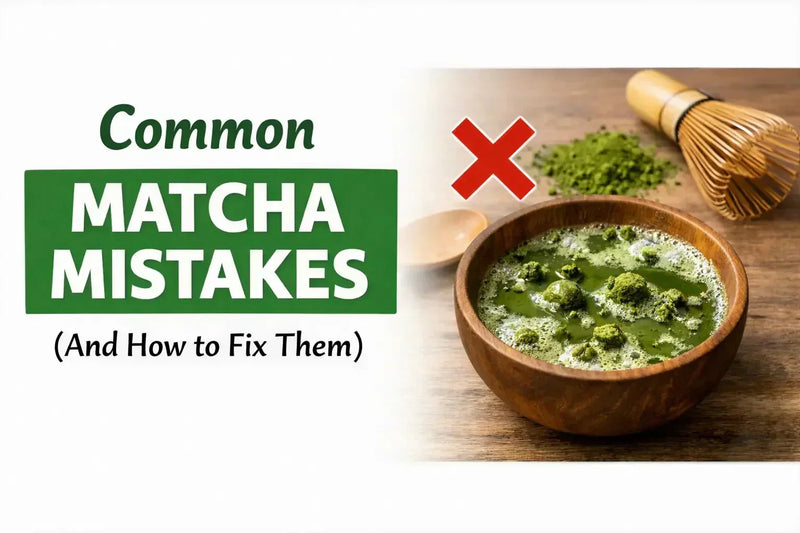
Bitterness is matcha's biggest reputation problem. The thing is, it's almost entirely a quality and preparation issue, not a fundamental characteristic of the drink. There are three main culprits:
1. Low-Grade or Old Powder
Culinary-grade matcha uses later-harvest leaves. The plants have had longer in sunlight, which converts more L-theanine (the sweetness amino acid) into catechins, compounds that taste astringent and bitter. Later-harvest leaves also have more mature tannins. The result is a powder that's harsh and sharp when you drink it straight. It's fine for baking where other flavours dominate. It's not what you want in a bowl or latte.
Age makes this worse. Matcha oxidises once it's opened. Old powder turns dull, olive-coloured, and tastes flat or sour alongside the bitterness. If your matcha has been sitting in a pantry for six months, it's past its best regardless of the grade it started as.
2. Water That's Too Hot
Boiling water (100°C) strips the sweetness from matcha and amplifies bitter tannins. This is one of the most common preparation mistakes. The right temperature is 75–80°C. That small difference completely changes the taste. At 75°C, the L-theanine and umami compounds come through cleanly. At 100°C, you're basically scalding the powder.
3. Wrong Grade for the Application
Ceremonial grade is specifically cultivated for drinking. It's shade-grown, first-harvest, and stone-ground from tencha leaves, everything about it is optimised for the best drinking experience. Using culinary grade for a straight bowl is the equivalent of using cooking wine to pour in a glass. It was never designed for that.
At Iki Matcha, our Premium Ceremonial Matcha is sourced from first-flush, shade-grown tencha leaves and stone-ground to order. Freshness isn't a marketing claim, it's the single biggest variable in how matcha tastes. Learn how to make it properly in our preparation guide to get the most out of every serve.
How the Matcha Taste Changes Depending on How You Make It
The same powder tastes noticeably different depending on how you prepare it. This matters a lot if you're figuring out where to start, or if you've tried one preparation and written matcha off entirely.
| Preparation | Dominant Flavour | Bitterness | Best Grade |
|---|---|---|---|
| Ceremonial bowl (usucha) | Umami, grassy, sweet | Very low | Ceremonial |
| Matcha latte (hot) | Creamy, mild, lightly sweet | Minimal | Ceremonial / latte grade |
| Iced matcha | Refreshing, grassy, clean | Low | Ceremonial / latte grade |
| Matcha smoothie | Mild, earthy, masked | Very low | Culinary or latte grade |
| Baked goods / cooking | Earthy, bitter accent, grassy | Medium | Culinary grade |
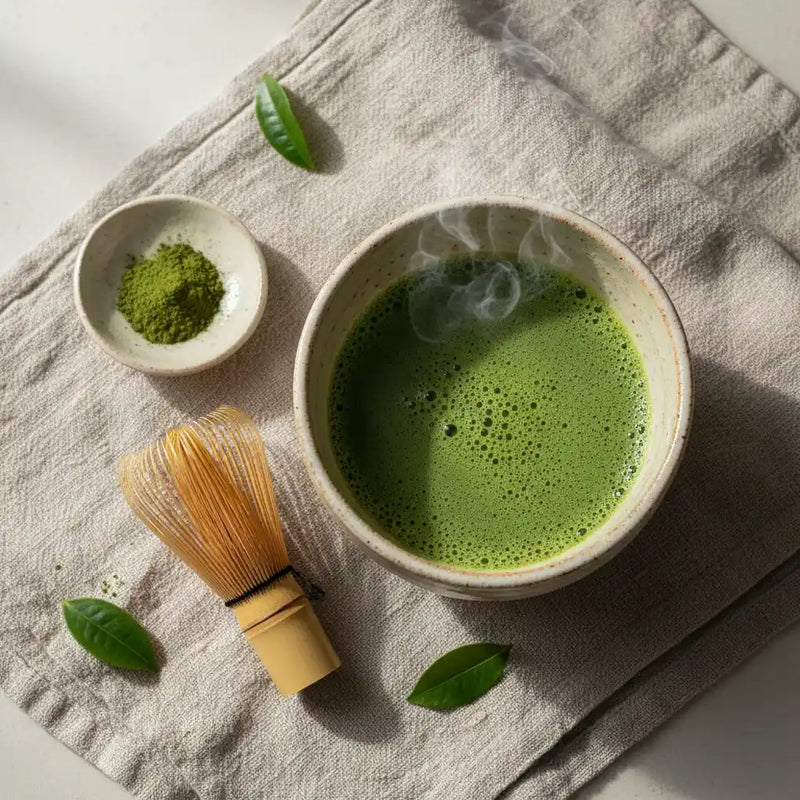
Ceremonial bowl: The purest expression of matcha flavour. Nothing is added, so the quality of the powder matters most. The umami and sweetness are at their most pronounced, and the texture is velvety. If you want to know what matcha actually tastes like at its best, a properly made bowl is the answer.
Matcha latte: Milk (especially oat milk, which has its own natural sweetness) softens the grassy and umami notes and rounds out the flavour profile. The result is milder, creamier, and less challenging. This is the entry point most people use, and it's a genuinely good one. The matcha flavour is still there; it's just less intense.
Iced matcha: Cold slightly mutes perceived sweetness, making the grassy quality more prominent and almost citrus-adjacent. Different from the hot bowl, not worse.
Smoothie: Other ingredients take the lead. Matcha adds an earthy, grassy note and vivid colour, but the umami nuance mostly disappears. Latte-grade powder works fine here.
What If You Don't Like the Taste? Flavour Pairing Tips That Work
Matcha isn't for everyone on the first sip. The umami note catches people off guard if they're expecting something sweet and simple. But if the flavour interests you, just not in its straight form, there are easy ways to ease in.
Add a small amount of honey or maple syrup. Just half a teaspoon is enough to bring forward the natural sweetness and soften any grassy edge. Don't overdo it, the point is to balance the flavour, not drown it.
Switch to oat milk for your latte. Oat milk has a mild, naturally sweet flavour that pairs particularly well with matcha. It complements rather than clashes. Coconut milk works similarly and adds a subtle tropical note. Dairy milk is fine but tends to neutralise more of the matcha character than plant milks do.
Try vanilla. A small amount of vanilla extract or a vanilla-flavoured plant milk takes the edge off the grassy notes. Vanilla and matcha is a combination that works surprisingly well in lattes and smoothies.
Add citrus. A small squeeze of lemon or a few drops of yuzu in an iced matcha drink brightens the whole thing. The acidity cuts through any residual grassiness and makes the sweetness pop. It's unconventional, but it works.
Don't give up on the taste too soon. Most regular matcha drinkers report it takes three to five servings before the umami note starts to feel natural rather than surprising. The palate adjusts quickly, especially if you're coming from a coffee background where the flavour language is just different.
If you're new to matcha and want a structured starting point, our matcha for beginners guide covers preparation, ratios, and where to start. And if you want to understand how matcha's taste connects to its unique caffeine and L-theanine profile, read our piece on how much caffeine matcha actually has.
Taste the Difference Fresh Ceremonial Matcha Makes
Iki Matcha's Premium Ceremonial Matcha is first-harvest, shade-grown, and stone-ground in Japan. Sweet, umami-rich, and genuinely smooth — nothing like the bitter powder that put you off the first time.
Shop Premium Ceremonial Matcha →
Frequently Asked Questions
What does matcha taste like?
High-quality matcha has four main flavour notes: grassy and vegetal (from chlorophyll in shade-grown leaves), naturally sweet (from L-theanine, an amino acid), umami-rich (a savoury depth similar to miso or seaweed), and creamy in texture when whisked properly. Bitterness is low to none. If your matcha tastes predominantly bitter, it's either old, low-grade, or made with water that's too hot.
What flavour is matcha, is it sweet or bitter?
Good matcha is naturally sweet and savoury, not bitter. The sweetness comes from L-theanine, which accumulates in shade-grown tea leaves during the 3–4 weeks before harvest. The savoury depth, umami is the fifth taste, similar to what you'd find in dashi or parmesan. Bitterness signals low quality or poor preparation, not the natural matcha flavour profile.
Does matcha taste like green tea?
They share a grassy, vegetal base note since both come from the same plant. But matcha is noticeably richer, sweeter, and more complex. The umami depth in good ceremonial matcha has no equivalent in brewed green tea. Green tea is light and delicate, matcha is concentrated and flavour-forward. If you've only ever had brewed green tea, matcha will taste like a much more intense version of the same family, with an added savoury dimension.
Why does my matcha taste bitter?
Three main reasons: old or low-quality powder (oxidised tannins dominate once the L-theanine sweetness fades), water that's too hot (boiling water at 100°C strips sweetness and amplifies bitterness, use 75–80°C instead), or culinary-grade matcha used for drinking (it's designed for baking, not sipping). A fresh ceremonial grade made with the right water temperature should taste sweet and savoury with very little bitterness.
What does matcha smell like?
Fresh ceremonial matcha has a clean, grassy aroma, similar to a blend of fresh-cut grass and steamed spinach, with a subtle sweetness underneath. Some people detect a faint floral note. Old or low-quality matcha smells flat, musty, or faintly fishy, a reliable warning sign before you even taste it. If the powder smells dull rather than fresh and vegetal, it's past its prime.
The Bottom Line on Matcha Taste
Good matcha doesn't taste bitter. It tastes grassy, sweet, and umami-rich, complex in a way that green tea or coffee isn't. If bitter is what you've experienced, the culprit is almost always powder quality, water temperature, or both.
The best way to understand what matcha flavour is really supposed to taste like is to try a fresh, high-quality ceremonial grade made properly. For how the flavour compares to green tea in nutritional terms, our matcha vs green tea breakdown covers that in full. And if the taste has you wondering about the energy side — the caffeine and L-theanine that contribute to that smooth, umami sweetness, the matcha benefits guide explains the connection.