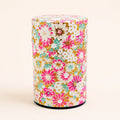


One thing to know up front: matcha is perishable. Freshness matters more than almost any other factor, and it is the reason buying from a local Melbourne supplier usually beats importing a cheap tin from overseas.
Key Facts: Buying Matcha in Melbourne
- Local beats imported for freshness. Matcha oxidises fast. A Melbourne-based supplier ships in days, not weeks, so you get brighter colour and better flavour.
- Expect $40 to $90 per 30g tin for genuine first-harvest ceremonial matcha in 2026. Under $30 for "ceremonial" is usually a red flag.
- Check the harvest date, not just the expiry. Fresh matcha is sold by harvest year. "Packed on" dates tell you almost nothing.
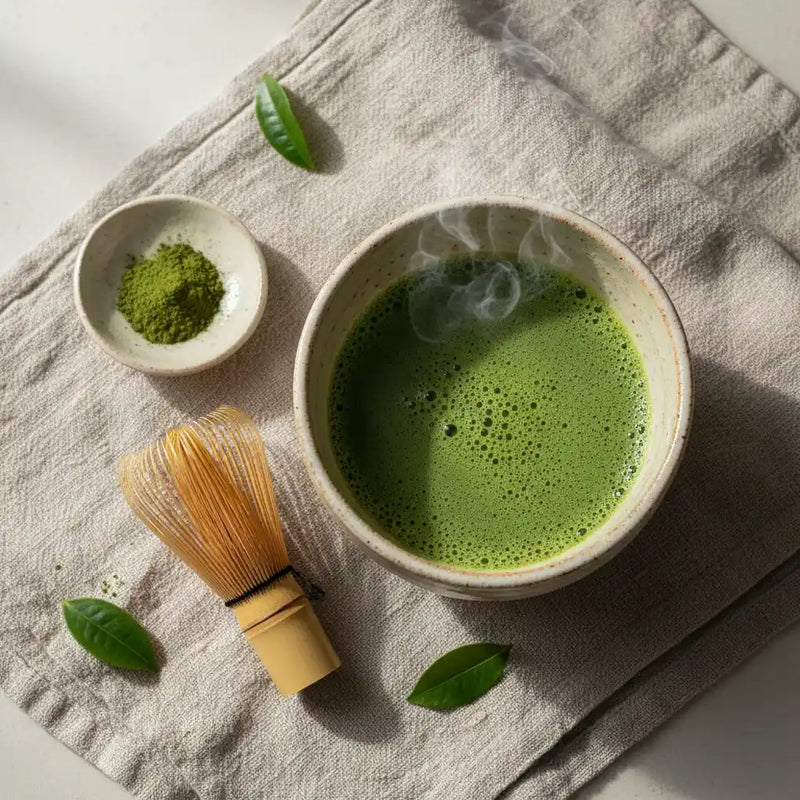
- Colour is the quickest test. Real ceremonial matcha is vivid, almost neon green. Dull olive or yellow-green powder is old or low grade.
- Melbourne delivery is fast. Most local suppliers, including Iki Matcha, ship same-day from Melbourne for next-day metro delivery.
Where to Buy Matcha in Melbourne: Your Options
There are four main places Melbourne buyers find matcha, and each has trade-offs. Here is the honest breakdown.
1. Specialty tea and Japanese grocers
Stores in the CBD and around Box Hill, Springvale and the inner suburbs stock Japanese matcha, often alongside sencha, hojicha and genmaicha. The upside is you can see the tin and ask questions. The downside is inconsistent stock, unclear harvest dates, and prices that swing widely. Some are excellent. Some are selling old culinary powder in a ceremonial tin.
2. Health food and organic stores
Widely available and convenient, but the matcha is usually culinary grade aimed at smoothies, not ceremonial grade for drinking. If you want matcha for focus, lattes or straight usucha, this is rarely the best source. Check the grade and the colour before you buy.
3. Cafes and matcha bars
Melbourne's cafe scene has embraced matcha, and some venues sell retail tins of the matcha they use. This can be a good way to try before you buy, but cafe retail prices carry a markup and stock rotates unpredictably.
4. Online, shipped from Melbourne
For most buyers, this is now the best combination of freshness, range and price. A Melbourne-based online supplier ships same-day, so the matcha reaches you within a day or two of leaving the warehouse, and you can read the harvest date, grade, origin and lab results before buying. This is where Iki Matcha sits, and we will be upfront that we think it is the right model for a perishable product.
| Where | Best for | Watch out for |
|---|---|---|
| Japanese grocers / specialty tea | Trying before buying, browsing | Unclear harvest dates, inconsistent stock |
| Health food stores | Convenience, culinary use | Usually culinary grade, not drinking grade |
| Cafes and matcha bars | Tasting, small retail tins | Cafe markup, unpredictable stock |
| Online, Melbourne-based | Freshness, range, price, delivery | Check harvest date and lab testing |
What Matcha Actually Costs in Melbourne in 2026
Matcha prices rose sharply through 2025 and into 2026 because of a global shortage of tencha leaves, the raw material for matcha. That makes it more important than ever to know what a fair price looks like, so you can tell a genuine tin from a cheap powder dressed up as ceremonial grade.
| Grade | Typical 2026 price (30g) | What it is for |
|---|---|---|
| Culinary | $15 to $30 | Smoothies, baking, blending. Bitter on its own. |
| Premium / everyday | $30 to $50 | Daily lattes, casual drinking. |
| Ceremonial (first harvest) | $40 to $90 | Drinking straight, focus, usucha, koicha. |
| "Ceremonial" under $30 | Treat with suspicion | Usually culinary grade relabelled. |
If a tin claims first-harvest ceremonial grade and costs $20, one of those claims is untrue. For a deeper look at the shortage and what it means for buyers, see our guide to the 2026 matcha shortage.
How to Spot Real Ceremonial Matcha
Melbourne has plenty of genuine matcha, and a growing amount of fake. Use this checklist before you buy, whether in-store or online.
- Colour. Vivid, bright green. Dull olive, yellow-green or grey means old or low grade.
- Smell. Fresh, sweet, grassy and slightly marine. Faint or dusty means stale.
- Texture. Fine, silky, almost talc-like. Gritty powder is not stone-ground properly.
- Harvest date. A specific year, ideally the most recent. "Packed on" is not a harvest date.
- Origin and cultivar. Named region (Uji, Kagoshima, Nishio) and cultivar (Yabukita, Saemidori, Okumidori). Vague "Japanese matcha" is a warning sign.
- Lab testing. Reputable suppliers test for pesticides and heavy metals and will say so.
- Price floor. Genuine first-harvest ceremonial has a real cost. If it is too cheap, it is not what it claims to be.
Freshness: The Melbourne Advantage
Matcha is at its best in the weeks after the tin is opened, and it degrades faster than most tea because the whole leaf is ground into powder and exposed to air. That is the single biggest argument for buying from a Melbourne supplier rather than importing.
A tin shipped from Japan spends weeks in transit and in customs. A tin shipped from a Melbourne warehouse reaches you in a day or two. For a product this sensitive to oxygen, light and heat, that difference is not marketing, it is measurable in the cup. Store your matcha in the fridge, in an airtight tin, away from light, and use it within a few weeks of opening for the best flavour and colour. Our matcha storage guide covers the detail.
Delivery Across Melbourne
For buyers who want matcha delivered, the practical questions are how fast, how much, and whether it arrives fresh. Iki Matcha ships same-day from Melbourne for orders placed before the daily cut-off, with next-day delivery across metro Melbourne and fast dispatch to regional Victoria. Every tin is packed with the harvest date and grade on the label, so you know exactly what you are drinking.
If you are outside Melbourne, the same guide applies to buying matcha in Sydney, and our best matcha in Australia roundup covers the national picture.
Our first-harvest, shade-grown ceremonial matcha is stone-ground in Kagoshima, lab tested, and shipped same-day from Melbourne. Next-day metro delivery, harvest date on every tin.
Shop Ceremonial MatchaWhich Matcha Should You Buy?
It depends on what you are doing with it. If you drink matcha straight or want it for calm focus, buy first-harvest ceremonial grade. If you mostly make lattes and smoothies, a premium everyday grade will do the job at a lower price. If you bake with it, culinary grade is fine and you should not pay ceremonial prices for it.
For a full breakdown of grades and how to choose, see which matcha to buy and our comparison of ceremonial vs culinary matcha.
Sources
- Iki Matcha. "The 2026 Matcha Shortage: What AU Buyers Need to Know." ikimatcha.com.au
- Iki Matcha. "Which Matcha to Buy: Ceremonial vs Culinary." ikimatcha.com.au
- Iki Matcha. "How to Store Matcha." ikimatcha.com.au